
The Latest
“When I heard the released demo, I was shocked, angered and in disbelief that Mr. Altman would pursue a voice that sounded so eerily similar to mine.”

Transportation
Aurora and Volvo unveil self-driving truck designed for a driverless future
1 hour ago
A new self-driving truck — manufactured by Volvo and loaded with autonomous vehicle tech developed by Aurora Innovation — could be on public highways as early as this summer. The…

Climate
ETF Partners raises €284M for climate startups that will be effective quickly — not 20 years down the road
2 hours ago
The European venture capital firm raised its fourth fund as fund as climate tech “comes of age.”

Copilot, Microsoft’s brand of generative AI, will soon be far more deeply integrated into the Windows 11 experience.

Hello and welcome back to TechCrunch Space. For those who haven’t heard, the first crewed launch of Boeing’s Starliner capsule has been pushed back yet again to no earlier than…

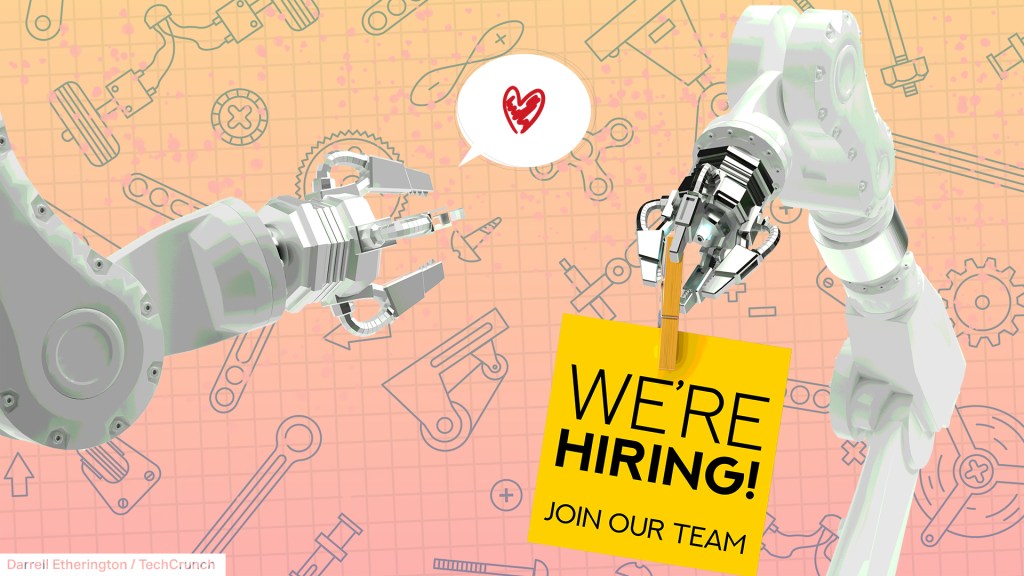
When I attended Automate in Chicago a few weeks back, multiple people thanked me for TechCrunch’s semi-regular robotics job report. It’s always edifying to get that feedback in person. While…
The top vehicle safety regulator in the U.S. has launched a formal probe into an April crash involving the all-electric VinFast VF8 SUV that claimed the lives of a family…

Media & Entertainment
NYC-Dublin real-time video portal reopens with some fixes to prevent inappropriate behavior
6 hours ago
When putting a video portal in a public park in the middle of New York City, some inappropriate behavior will likely occur. The Portal, the vision of Lithuanian artist and…

Contour Venture Partners, an early investor in Datadog and Movable Ink, lowers the target for its fifth fund
6 hours ago
Longtime New York-based seed investor, Contour Venture Partners, is making progress on its latest flagship fund after lowering its target. The firm closed on $42 million, raised from 64 backers,…

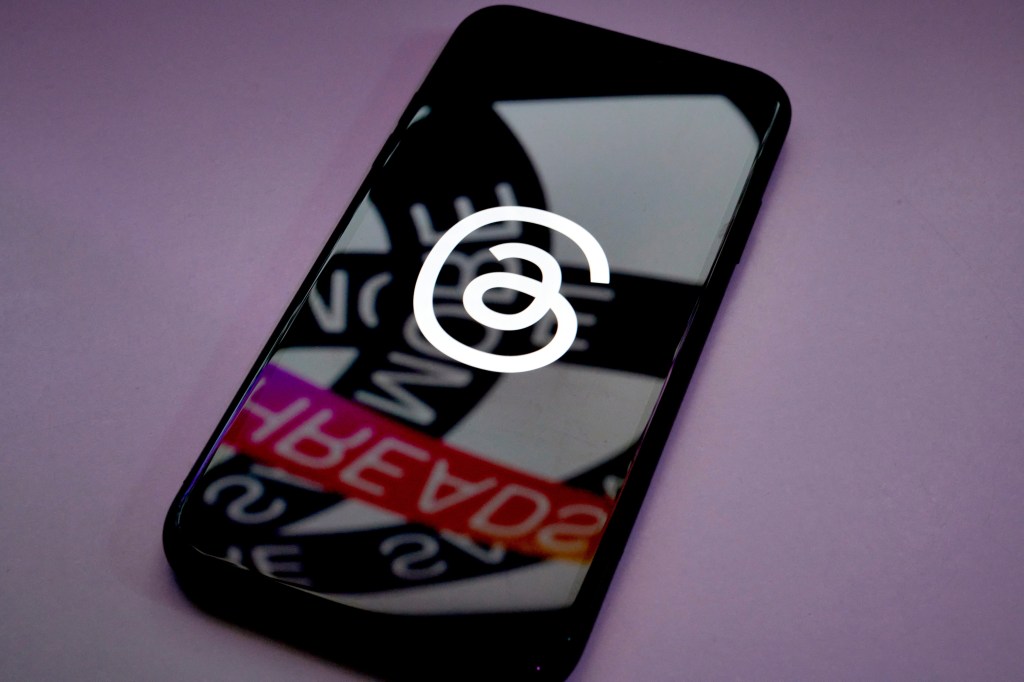
Meta’s Oversight Board has now extended its scope to include the company’s newest platform, Instagram Threads, and has begun hearing cases from Threads.
Where we’ll be next
Oct 28th
TechCrunch Disrupt 2024
San Francisco, CA
Jun 11th
StrictlyVC – Washington, D.C.
Washington, D.C.
May 21st
StrictlyVC – London
London
Venture
SeekOut, a recruiting startup last valued at $1.2 billion, lays off 30% of its workforce
9 hours ago
The company says it’s refocusing and prioritizing fewer initiatives that will have the biggest impact on customers and add value to the business.

Transportation
UK’s autonomous vehicle legislation becomes law, paving the way for first driverless cars by 2026
10 hours ago
The U.K.’s self-proclaimed “world-leading” regulations for self-driving cars are now official, after the Automated Vehicles (AV) Act received royal assent — the final rubber stamp any legislation must go through…

ChatGPT, OpenAI’s text-generating AI chatbot, has taken the world by storm. What started as a tool to hyper-charge productivity through writing essays and code with short text prompts has evolved…

Fintech
Fintech lender SoLo Funds is being sued again by the government over its lending practices
10 hours ago
SoLo Funds CEO Travis Holoway: “Regulators seem driven by press releases when they should be motivated by true consumer protection and empowering equitable solutions.”

TechCrunch Disrupt 2024 is not just about groundbreaking innovations, insightful panels, and visionary speakers — it’s also about listening to YOU, the audience, and what you feel is top of…

Hard tech startups generate a lot of buzz, but there’s a growing cohort of companies building digital tools squarely focused on making hard tech development faster, more efficient and —…

AI
TechCrunch Minute: Slack may be training its AI off of your messages — and opting out is harder than you’d think
9:00 AM PDT • May 20, 2024
Slack is under fire for its shady policies around using customer data to train its AI. According to Slack’s privacy principles, customer data like messages…

Startups
Maven takes the clout-chasing out of social media as Reddit teams up with OpenAI
8:57 AM PDT • May 20, 2024
Last week was a big one for AI news, and one thing that stood out to us was OpenAI’s deal with Reddit. Per the terms of…

Apps
Google is launching a new Android feature to drive users back into their installed apps
11 hours ago
Google says the new SDK would help Google expand on its core mission of connecting the right audience to the right content at the right time.

Jolla has taken the official wraps off the first version of its personal server-based AI assistant in the making. The reborn startup is building a privacy-focused AI device — aka…
